 English








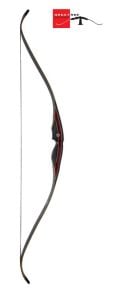
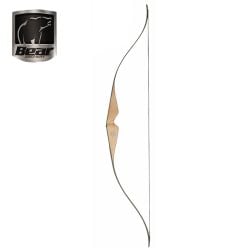
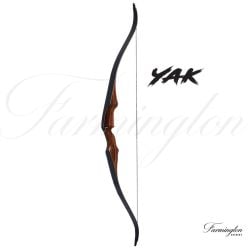
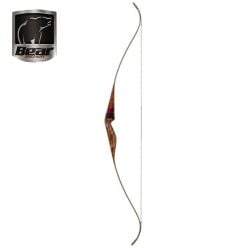
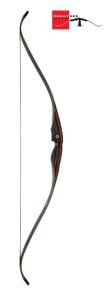
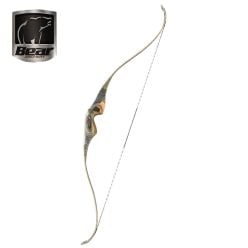


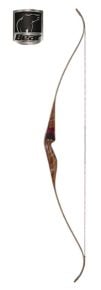

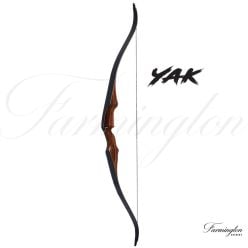
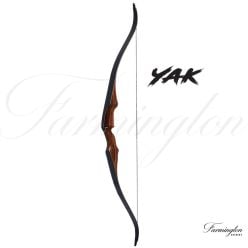
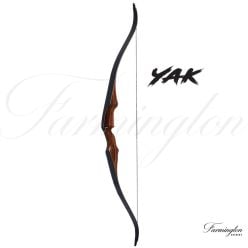
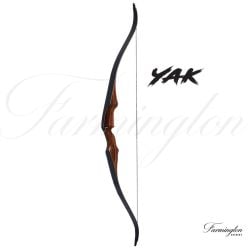
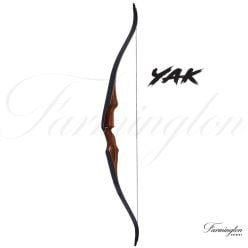
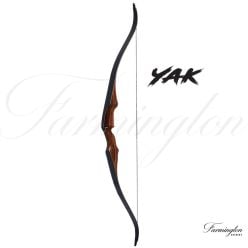


Recurve Bows
Looking for a recurve bow that feels traditional, shoots clean, and fits your style of archery? You’re in the right place. Browse our selection, compare specs in seconds, and pick a setup you’ll enjoy season after season.
Traditional recurve bows available in this category
This category brings together recurve bow options built for traditional archery, from relaxed target sessions to serious practice in the field. You will see models designed for balance, smooth drawing, and consistent accuracy. Many archers also choose this style when they want a simpler “bow and arrow” experience.
A good starting point is fit and feel. Check handedness first, then draw weight, then length. If you are a beginner, choose comfort over ego. A lighter draw weight helps you build good form and reduce fatigue.
Here are a few quick points to compare while you shop:
- One-piece vs takedown recurve: one-piece is classic and clean, while takedown is easier to transport and store.
- Limb and riser design: limb shape affects the curve and the shooting feel, while the riser affects stability and balance.
- Grip comfort: a secure grip helps repeat the same position and improves control.
- Materials: you may see wooden laminates, modern composites, or carbon elements, depending on the manufacturer.
- Brand selection: our inventory may include trusted names like Bear (Bear Archery), plus other reputable makers.
If you are shopping for a recurve traditional bow, focus on what matches your use. Some archers prefer a quiet, simple setup. Others want a modern touch for better vibration control and consistent alignment.
Why choose a recurve bow?
Many archers love the recurve for its direct feel and classic look. It is a traditional bow that rewards good technique. It also stays simple, with fewer moving parts than a compound bow. That simplicity makes it easier to maintain and easier to bring outdoors.
A recurve can be used for different styles of archery. You can shoot paper targets, a target face, 3D courses, or train for competition. Some athletes follow standards inspired by World Archery events and the Olympic tradition. Not every traditional setup uses sights or a clicker, but the discipline still helps.
For hunters, a well-matched setup can support recurve bow hunting and bowhunting. Keep it ethical and local-law compliant. Choose an appropriate draw weight, tune your bowstring, and select arrows that fly straight. Good preparation improves accuracy and respects the game and the environment.
Need help choosing a recurve bow for your goals? Our team can point you to the right equipment, whether you prioritize smooth shooting, low noise, or easy carrying.
Recurve Bow Questions & Answers
Choosing the right traditional gear should feel simple. These are the questions we hear most from archers who want to buy with confidence.
What’s the difference between a recurve bow and a longbow?
A recurve bow has limbs that curve away from the archer at the tips, which can help store energy and feel snappier at the shot. A longbow is typically straighter and often feels smoother and quieter. Both are great for traditional archery, depending on your shooting style.
What are the key parts of a recurve bow I should look at before buying?
Focus on the limb build quality, the riser stability, and the grip comfort. These elements influence balance, vibration, and repeatability. Good equipment should feel consistent shot after shot, especially when you practice often.
What arrows work best with a traditional recurve bow?
Choose an arrow that matches your setup and shooting goals. Many archers look for straight flight and reliable grouping on a target face. If you plan to hunt, pick arrows designed for durability and consistent penetration while staying within local regulations.
What draw weight should I choose for a recurve bow?
Start with a draw weight you can control for many shots. You should be able to draw smoothly and hold without shaking. If you are new, lighter is usually smarter. You can always move up later as your form improves.
Right-hand vs. left-hand recurve bow: what’s the difference?
Handedness is about your dominant eye and how you aim. A right-hand bow is typically held in the left hand, with the string drawn using the right hand. A left-hand bow is the opposite. If you are unsure, ask for guidance before ordering.
Can a hunting recurve be used for target practice or competition?
Yes. Many archers train on target year-round, then adapt their setup for the season. Some shooters also enjoy competition formats like 3D. The key is having a reliable tune and consistent form, whether you’re a hunter or a weekend target shooter.
Is a wooden recurve better than carbon for traditional archery?
A traditional wooden bow often offers a classic look and warm shooting feel. Carbon components can reduce vibration and add stability, depending on the model. It’s less about “better” and more about what you enjoy shooting and how you plan to use your bow and arrow.
One-piece vs takedown recurve: which one should I pick?
Choose one-piece if you want a classic, clean, traditional look. Choose a takedown recurve if you travel, store gear in a small space, or want easier transport. Both can shoot very well when tuned correctly.
Traditional archery is also about community and good advice. Explore our traditional bows selection, or browse the full archery department for more equipment and accessories.
If you’re nearby, we also have a physical store in Saint-Jean-sur-Richelieu, near Montréal, Québec. Come in for hands-on help with fit, feel, and setup.
Service très rapide merci (Translated by Google) Very fast service, thank you.