 English







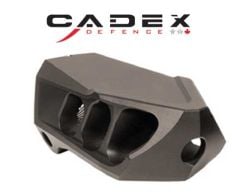

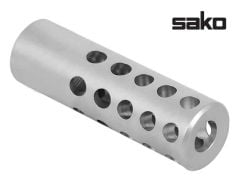
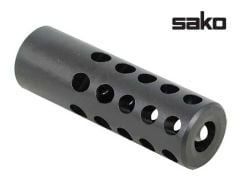
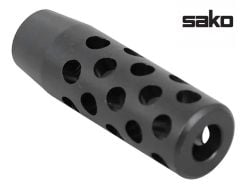
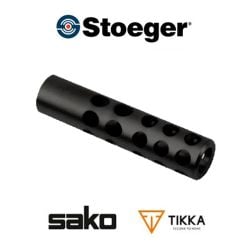
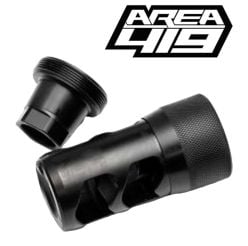
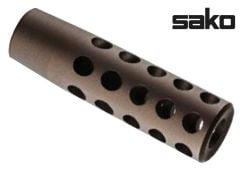

Muzzle brakes are specialized devices attached to the muzzle of firearms, such as rifles, designed to reduce recoil and muzzle rise during shooting. By redirecting the gases expelled from the barrel, these brakes help control the firearm's movement, allowing for quicker follow-up shots and improved accuracy.
Muzzle brakes come in various designs, each offering unique benefits, from minimizing felt recoil to enhancing stability during rapid fire. They are popular among competitive shooters, hunters, and tactical users who demand precision and control.
What is a muzzle brake and how does it work?
A muzzle brake is a type of muzzle device attached to the end of the barrel of a firearm to reduce recoil and muzzle rise when firing. It works by redirecting the propellant gases that escape from the muzzle at the moment of firing. Most muzzle brakes have ports that vent these gases sideways or upward, which helps to push the firearm in the opposite direction of the recoil. This can improve the shooter’s ability to keep the sight on target for faster follow-up shots.
What are the benefits of using a muzzle brake?
The primary benefit of using a muzzle brake is the recoil reduction. By minimizing the felt recoil, shooters can maintain better control over their firearm during rapid firing sequences. This is particularly advantageous for larger calibres where the recoil may be significant.
Additionally, muzzle brakes can help in reducing muzzle rise, enabling shooters to stay on target more easily. For those who shoot frequently, a muzzle brake can significantly enhance the shooting experience by making it more comfortable and accurate.
While they can produce a louder report and increased blast to the sides, the advantages in managing recoil make them a valuable addition for many firearm enthusiasts. Ultimately, muzzle brakes enhance shooting performance, making them a sought-after accessory in the firearms community.
Are there any disadvantages to using a muzzle brake?
While muzzle brakes offer significant advantages, there are some disadvantages to consider. One potential issue is the increased noise and blast that can be directed toward the shooter and bystanders, which may necessitate the use of ear protection.
In addition, the redirected gases can create a dust signature in certain environments, potentially obscuring visibility. Lastly, some ranges have restrictions on the use of muzzle brakes due to the increased noise, so it’s essential to check local regulations.
How does a muzzle brake differ from a compensator?
While both a muzzle brake and a compensator are designed to reduce recoil, a compensator specifically aims to control the upward rise of the firearm during firing. A muzzle brake primarily focuses on reducing overall recoil, making it easier to manage high-pressure gases escaping from the bore.
Do muzzle brakes affect the velocity of the bullet?
Muzzle brakes do not significantly affect the muzzle velocity of the bullet. Their primary function is to manage the gases that propel the projectile, providing a reduction in recoil rather than altering the speed of the bullet itself.
Can installing a muzzle brake on a handgun improve accuracy?
Yes, installing a muzzle brake on a handgun can improve accuracy by reducing felt recoil and muzzle rise. This allows the shooter to maintain better control and aim during rapid firing, making it easier to stay on target.
Are there specific calibers or firearms that benefit more from muzzle brakes?
Muzzle brakes are particularly beneficial for larger calibers and high-velocity firearms, such as .223 rifles or AR-15s, where recoil can be more pronounced. They are also commonly used on competitive shooting rifles, where precision is crucial.
Is a muzzle brake the same as a flash suppressor?
No, a muzzle brake and a flash suppressor serve different purposes. A flash suppressor is designed to reduce the visible flash produced when the gun is fired, helping to conceal the shooter's position. In contrast, a muzzle brake focuses on reducing recoil and controlling muzzle rise.
What is the difference between a silencer and a muzzle brake?
A silencer (or suppressor) is designed to reduce the sound of gunfire by slowing down and dissipating the expanding gases. In contrast, a muzzle brake helps compensate for recoil and muzzle rise by redirecting gases to the sides or backward.
How do I know if a muzzle brake is compatible with my firearm?
To ensure compatibility, check the thread specifications of your firearm's muzzle and compare them with the threading. Most manufacturers provide this information, and it's important to match the diameter and thread pitch to avoid installation issues.
Will using a muzzle brake make my firearm louder?
Yes, muzzle brakes can increase the noise level of a firearm when fired. The device redirects combustion gases outward, which can create a louder report compared to a firearm with no muzzle attachment. This is an important consideration for shooters who may be sensitive to noise or those shooting in a populated area.
Can I use a muzzle brake on a bolt-action rifle?
Yes, muzzle brakes can be used on bolt-action rifles. Many shooters choose to install them for enhanced recoil reduction, especially when firing heavy-caliber ammunition. However, ensure that the brake is designed for the specific caliber and model of your rifle.
What factors should I consider when choosing a muzzle brake?
When selecting a muzzle brake, consider factors such as:
-
The type of firearm
-
The caliber
-
The intended use (competition, hunting, etc.)
-
Personal preferences regarding recoil reduction and noise levels
It's also advisable to read reviews or seek recommendations from experienced shooters.
Londero Sports offers a wide selection of muzzle brakes, catering to shooters of all levels, whether you're a competitive marksman, a hunting enthusiast, or a tactical shooter. With options designed to reduce recoil, minimize muzzle rise, and enhance shooting stability, Londero Sports provides top-quality brands and expert advice to help you choose the right muzzle brake for your firearm.
Service très rapide merci (Translated by Google) Very fast service, thank you.