 English









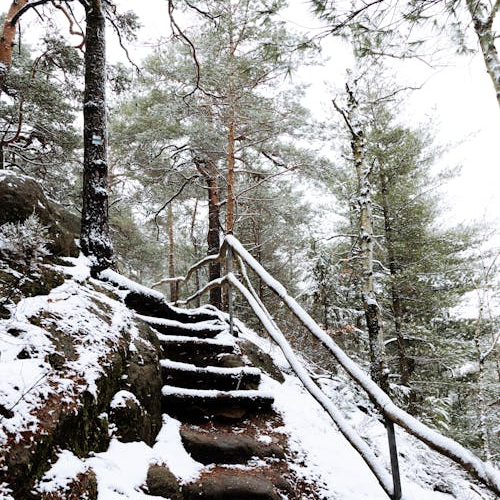
Winter offers some of the most breathtaking outdoor experiences, but it can also be unforgiving if you’re not prepared in a winter storm. Whether you’re hiking, winter camping, or just taking a scenic road trip, the right winter survival kit can keep you safe, warm, and confident even when the unexpected happens. Let’s talk about the essential tools and gear that will help you conquer the great outdoors this winter.
1. Warm Clothing and Personal Gear
Winter adventures start with dressing for success—by success, we mean staying warm and dry while the snow flies or the temperatures drop below freezing. Layering is the golden rule. Each layer has a job: keeping moisture off your skin, retaining heat, or blocking wind and snow.
- Base layer: This is the layer closest to your skin, so choose a comfortable base layer made from moisture-wicking materials. It’s crucial to avoid cotton, as it traps sweat and can leave you feeling cold quickly.
- Mid layer: Think fleece or insulated jackets. They’re the best for retaining body heat.
- Outer layer: A waterproof and windproof shell will protect you from snow, sleet, and freezing winds.
- Accessories: Don’t skimp on accessories when facing cold temperatures. A significant amount of body heat escapes from your head, so wearing a warm hat is essential for maintaining your core temperature. Invest in insulated gloves or mittens to keep your hands warm and functional, your fingers are especially vulnerable to the cold. Additionally, protect your eyes from the bright glare off the snow with quality goggles or sunglasses, which will help prevent snow blindness and improve visibility during your outdoor adventures.
Finally, don't forget to pack an emergency sleeping bag or bivouac sack. These lightweight lifesavers are designed to reflect body heat, keeping you warm while providing a dry refuge if you find yourself stranded overnight. Together with your winter clothing, this gear is essential for your winter survival kit, ensuring that you're prepared for anything Mother Nature throws your way.
2. Navigation Tools
Getting lost in a winter wonderland might sound like a holiday movie, but in real life, it’s a survival nightmare. A good navigation setup ensures you stay on track, even when trails are covered in snow.
- Waterproof map: GPS devices are great, but batteries die fast in the cold. A reliable paper map doesn’t depend on technology
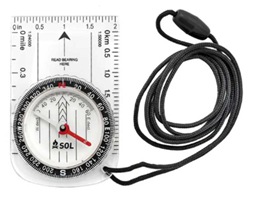
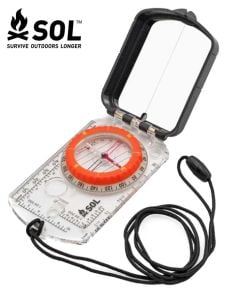
- Compass: Learn how to use one before your trip. Extreme conditions and dense forests can easily disorient even experienced adventurers.
- Digital backups: A GPS or or cell phones can be helpful as a secondary tool but don’t rely on them entirely.
If you're unfamiliar with using a map and compass, dedicate some time to practice. Mastering navigation skills can significantly enhance your safety in an emergency.
3. Water and Food Supplies
Staying hydrated may not appear to be a significant concern in cold weather, but it is essential. The cold air tends to be dry, leading to fluid loss more rapidly than you might expect.
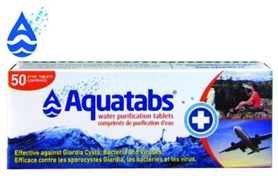
- Water purification tools: The Aquatabs Water Purification Tablets are a great option for filtering out bacteria and viruses from water sources.
- Water bottles: Streamlined and portable, collapsible water bottles can be conveniently stashed in any backpack, making them perfect for optimal packing.
- Extra water storage: If you’re in snow-heavy areas, you can melt snow for water—but don’t eat it raw. It lowers your core body temperature.
When selecting food, opt for high-calorie, non-perishable items such as energy bars, dried fruits, or nuts. These will supply the essential energy required to keep you energized. It's also wise to carry an additional day's worth of food as a backup.
4. Fire-Starting Essentials
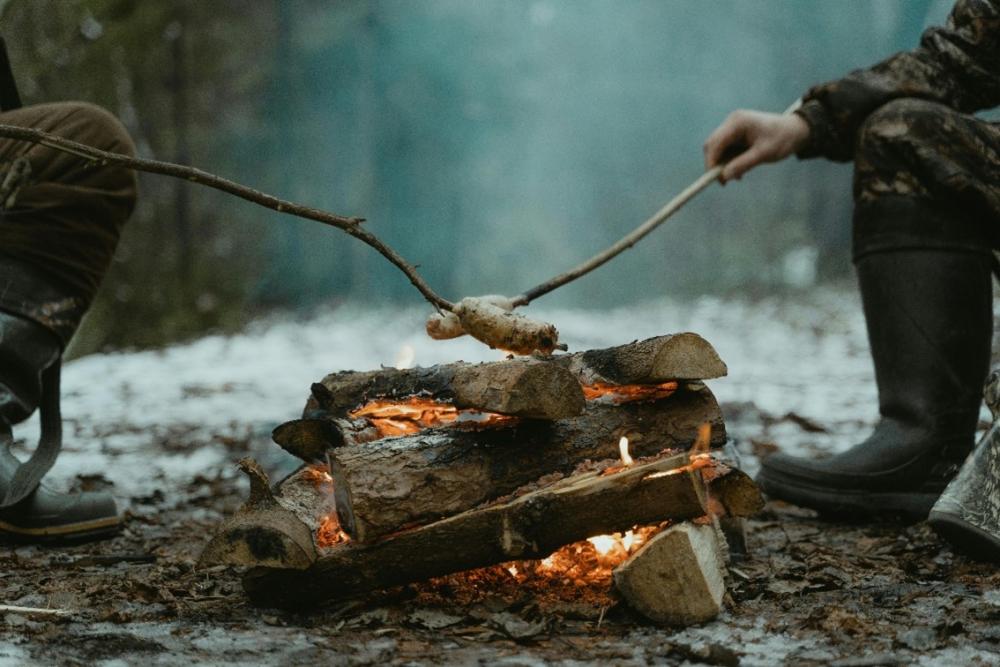
A roaring fire isn’t just comforting; it’s vital for warmth, cooking, and signaling for help. The trick is to be prepared for any extreme weather condition.
- Fire steel: Fire Steel works even when it’s wet or freezing.
- Waterproof matches: It’s essential to carry a reliable backup in case your primary fire-starting method fails.
- Tinder: Pack some dry tinder or carry fire-starting materials in a waterproof bag.
Lighting a fire in the snow can be tricky, but with practice and the right fire starting tools, you’ll have a warm blaze in no time.
5. First Aid and Emergency Items
Accidents happen, even to the most careful explorers. A well-stocked first aid kit and a few extra items can make a big difference in a crisis.
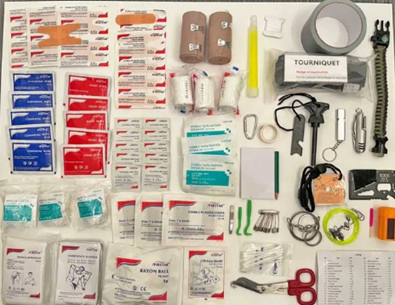
- First aid kit: Compact kits such as the North Backcountry Sentinel Waterproof First Aid Kit come equipped with essentials for treating minor injuries, featuring items ranging from bandages to antiseptic wipes.
- Whistle: It’s an inexpensive but powerful tool for signaling your position to rescuers. We never know when we might need one, but a reliable whistle is always a good option to have in case you become lost during a winter storm.
- Emergency shelter: Lightweight options like reflective tarps or bivouac sacks provide quick protection from the elements.
Don’t forget to brush up on basic first aid skills before your trip. Knowing how to treat injuries can prevent minor issues from turning into major problems.
To learn more about first aid, check out this course on wilderness trauma and improvised care.
6. Multi-Use Tools and Accessories
Why carry around a bulky toolbox when you can carry a compact multi-tool? These versatile are invaluable in emergencies and can handle a variety of tasks efficiently.
- Multi-tool : Look for one that includes pliers, screwdrivers, a knife, and wire cutters.
- Paracord: This strong, versatile rope can be used for repairs, building shelters, or even medical emergencies like splinting a broken limb.
- Duct tape: It’s not glamorous, but it’s unbeatable for quick fixes on gear or clothing.
These items are lightweight but add tons of functionality to your survival kit.
7. Portable Power and Lighting
Short winter days mean you’ll likely be navigating in the dark at some point. Staying illuminated and keeping your devices powered is essential.

- Headlamp : A hands-free light source is invaluable for night hiking or setting up camp after sunset.
- Portable charger: Keep your phone or GPS operational with a reliable power bank.
- Backup batteries: Cold weather drains batteries fast, so pack extras in insulated containers.
Having a reliable source of light when the sun goes down not only assists you in navigating your surroundings safely but also significantly boosts morale during challenging and tough winter conditions.
8. Specialized Winter Equipment
Some winter situations call for specialized gear, especially if you’re heading into avalanche-prone areas or driving through snowy terrain.
- Avalanche gear: If you’re skiing or hiking in snowy mountains, pack a transceiver, probe, and snow shovel. These tools can save your life or someone else’s.
- Tire chains: For winter road trips, these are essential for navigating icy conditions safely.
- Portable jump starter: A dead car battery in freezing temperatures can easily leave you stranded, so it's wise to bring a portable jump starter with you.
- Ice Scraper: An essential yet frequently forgotten winter travel item is an ice scraper, crucial for maintaining visibility and safety while driving.
Even if you don't end up using these items, having them available ensures you're prepared for any situation that may arise.

Conclusion
Winter adventures are thrilling, but they demand respect for nature’s unpredictability. By packing the right survival gear, you’ll be prepared to face challenges and make it back safely. From staying warm and hydrated to navigating through snowy terrain, these tools and tips can turn potential disasters into manageable situations. So gear up, plan ahead, and enjoy the frosty beauty of winter with confidence!





Service très rapide merci (Translated by Google) Very fast service, thank you.